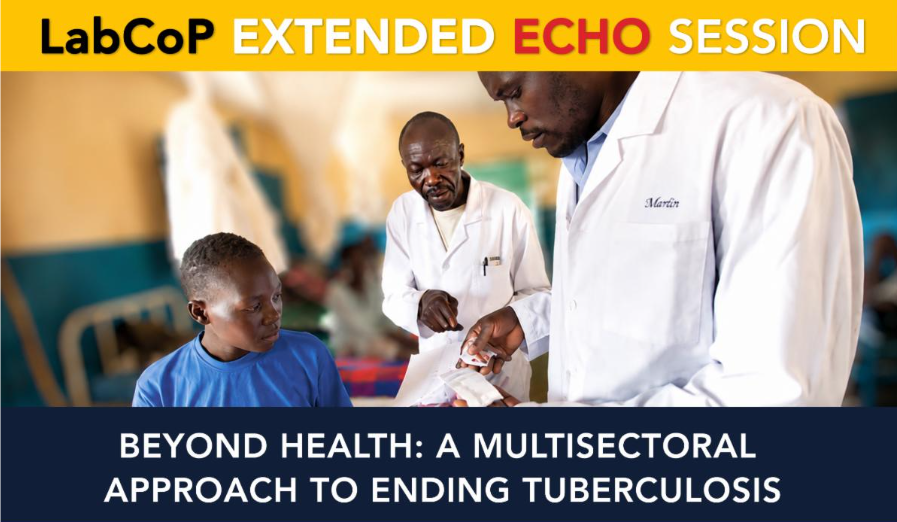
Although tuberculosis (TB) is managed through national TB programmes, the epidemic is shaped by wider social, economic, and environmental determinants, including air pollution, overcrowding, poverty, undernutrition, diabetes, and HIV. People affected by TB often face vulnerabilities such as inadequate housing and food insecurity, which are beyond their individual control and cannot be addressed by health services alone. Ending TB therefore requires coordinated action beyond the health sector, supported by strong political commitment, multisectoral collaboration, and robust accountability mechanisms. In this webinar, Drs. Mikaela Coleman and Collins Timire introduced the concept of the tuberculogenic environment, using a complex systems approach to identify non-health actors and structural factors that influence TB transmission and vulnerability. Jeremiah Okari shared practical experiences from implementing multisectoral TB control in Kenya and highlighted policy levers that can help reduce structural vulnerabilities to TB. Session materials, including the recording, presentations, resources, and related publications, are available through the links below.