ECHO Session Summary April – June 2026
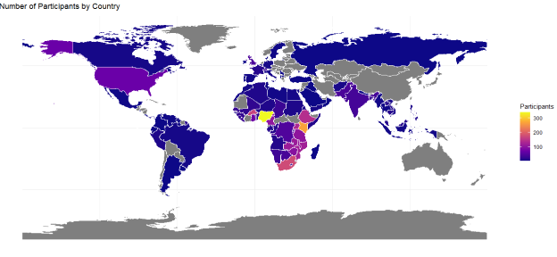
Between April and June 2026, a total of 11 ECHO sessions were convened, attracting 2,959 participants from 110 countries, each attending at least one session. The median participation time was 53 minutes (IQR: 27–67 minutes). The sessions focused on the launch and dissemination of guidance documents and tools, task sharing to improve service access, and the use of data for strategic decision-making and governance.
Session Highlights
Launch and Dissemination of Guidance Documents and Tools
Four sessions were dedicated to the launch and dissemination of four key guidance documents and tools.
- Laboratory System Maturity Monitoring (LMM) Tool
The Laboratory System Maturity Monitoring (LMM) tool, jointly owned by Africa CDC and WHO AFRO, provides a standardized framework for measuring laboratory system maturity through a voluntary and collaborative assessment process. The tool evaluates the progress of national laboratory systems in delivering clinical, public health, and global health laboratory functions that contribute to achieving Universal Health Coverage targets and requirements. Assessment results help inform national laboratory strategies, guide investments, and benchmark laboratory system progress over time. Watch this session here. - Quality Management System (QMS) Toolkit for Multi-Disease Testing in Non-Laboratory Settings
As countries continue to decentralize services and expand task sharing, conventional quality management systems (QMS) have proven too complex for non-laboratory settings. In response, WHO, in collaboration with external experts, implementing partners, and country representatives, developed a new QMS Toolkit for multi-disease serological testing in non-laboratory settings.
The toolkit is practical, simplified, and designed for real-world implementation. It outlines the minimum quality management activities that any testing site can adopt to ensure reliable and accurate results. With available ongoing technical support from WHO, Ministries of health and partners are guided to utilize this tool to support quality testing in non-lab sites. Watch the session here. - Waste Management Guidance
The African Society for Laboratory Medicine (ASLM), the U.S. Centers for Disease Control and Prevention (CDC), and Waste Not Want Not (WNWN) jointly developed comprehensive guidance to address pressing laboratory waste management challenges across Africa. The guidance provides practical recommendations for selecting and implementing waste treatment technologies appropriate for African settings. The session also featured findings from a situational analysis highlighting existing gaps in infrastructure, policy, technical capacity, and financing for laboratory waste management. Proper waste management is never an afterthought, it is planned for, budgeted for, implemented and monitored for success. Watch the session here. - Diagnostic Network Optimization (DNO) Implementation Guide
To promote wider adoption of Diagnostic Network Optimization (DNO) for strategic planning and strengthening diagnostic networks, FIND and the Global Laboratory Initiative (GLI) developed a comprehensive stepwise implementation guide. The guide highlights the core pillars of successful DNO implementation, including assessing data availability, engaging stakeholders, selecting and applying the most appropriate analytical model, and translating findings into actionable plans to improve diagnostic access, optimize device placement, strengthen sample referral systems, and integrate testing services. This guidance document further clarifies critical steps in DNO implementation to ensure effective and efficient DNO conduct. Watch the session here. - Data Use for Strategic Decision-Making
Two sessions focused on the use of data for strategic decision-making
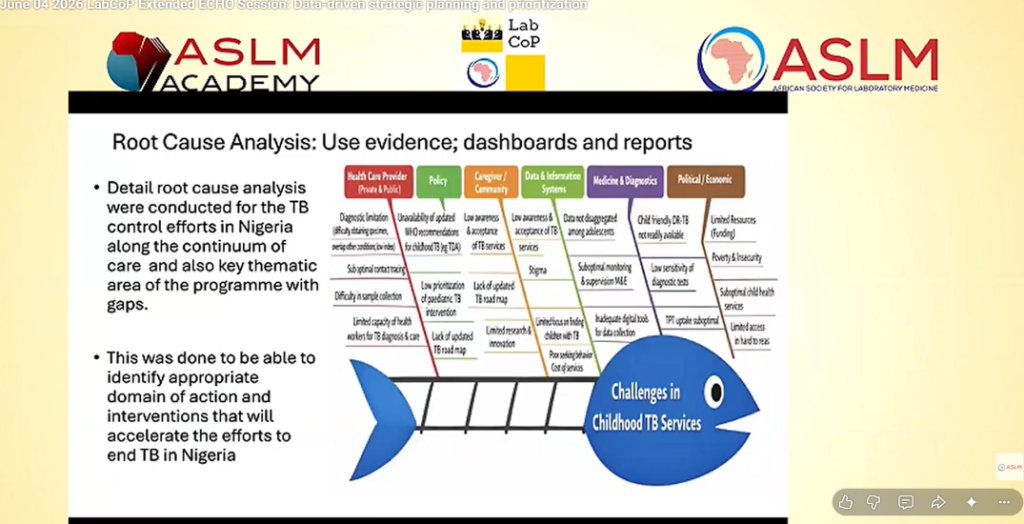
The first featured lessons learned from Nigeria’s National TB Program in applying the WHO framework for data use in strategic planning during the development of their 2027-2031 National Strategic Plan. The presentation demonstrated how evidence-informed prioritisation and scenario planning strengthened the budgeting and planning process and enabled integration of laboratory systems strengthening objectives into the national strategy. Watch the session here.
The second session focused on data-driven tuberculosis (TB) control, highlighting South Africa’s commitment to strengthening transparency, accountability, and public access to health information. Participants learned about the country’s public-facing TB dashboard, developed as part of broader efforts to enhance government accountability and improve access to timely TB information. Watch the session here.
Other sessions
Diagnostic innovation: The Unitaid-funded Start4All consortium generated global multi-country evidence demonstrating that pooled sputum testing can significantly improve access to molecular TB diagnosis while maintaining diagnostic test validity while substantially reducing cartridge use and overall costs.the findings from the Start4All consortium, highlighted the laboratory, operational, and programmatic value of pooled sputum testing. The session highlighted the laboratory, operational, and programmatic value of pooled sputum testing and its potential to strengthen TB diagnostic services. Watch this session here.
Task Sharing: Task sharing involves the rational redistribution of responsibilities among health workforce teams by transferring specific tasks from highly qualified health professionals to health workers with shorter training and fewer qualifications. This approach enables more efficient use of available human resources for health while expanding access to services.
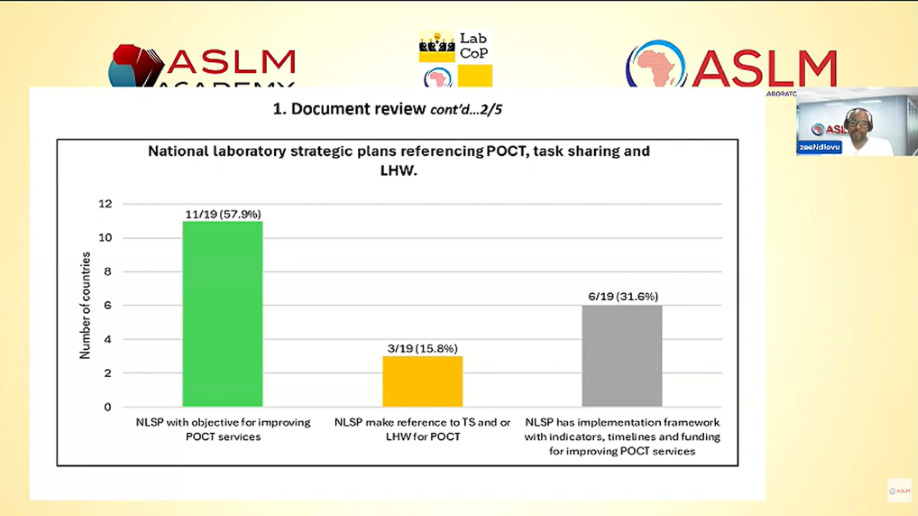
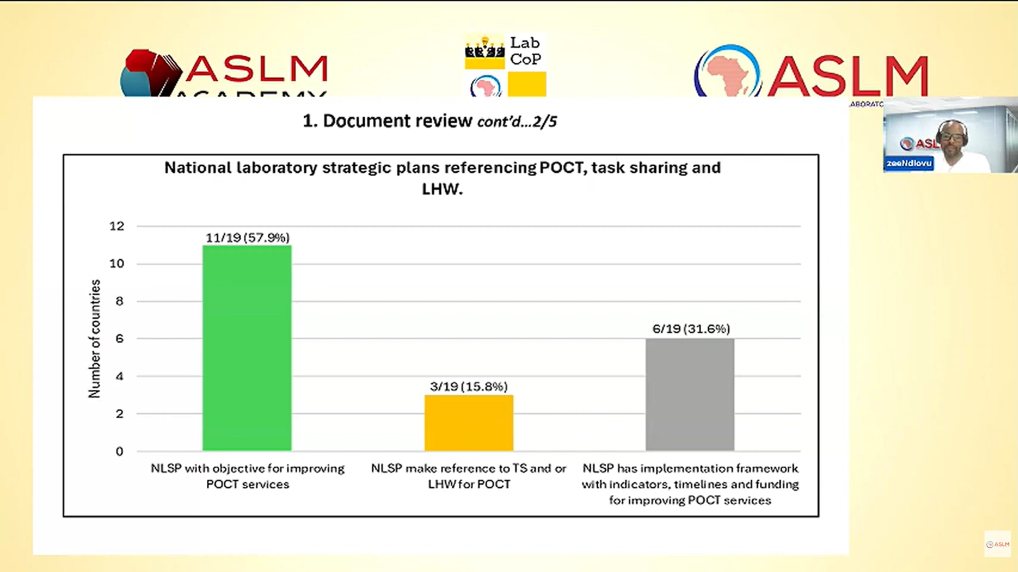
During this session, participants reviewed findings from an assessment of national policy adoption and implementation of task sharing for point-of-care (POC) testing across 19 African countries. The session also examined key considerations for scaling up task sharing with lay cadres within national health programmes. Watch this session here.