
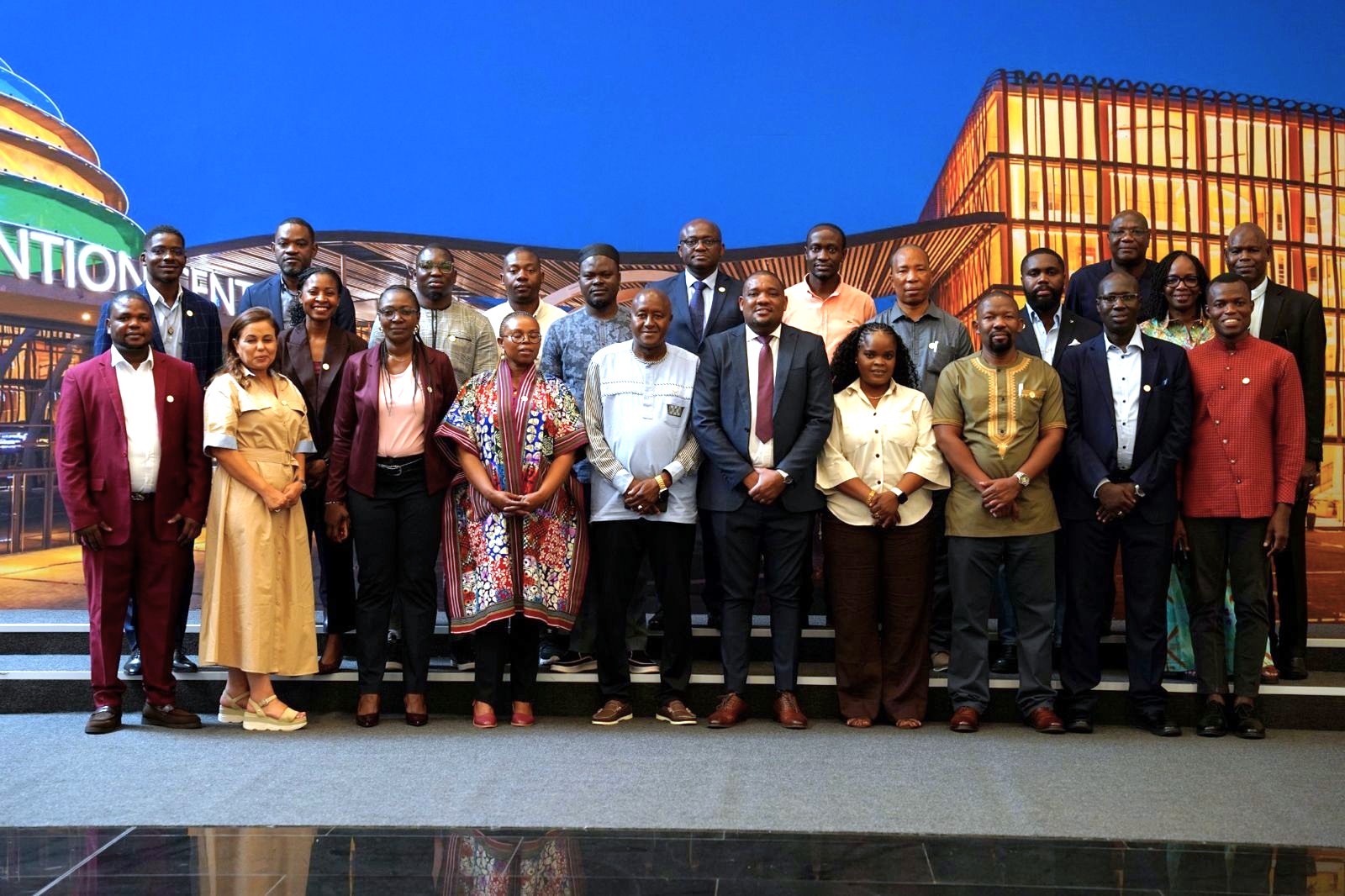
KIGALI, Rwanda l 14 September 2026
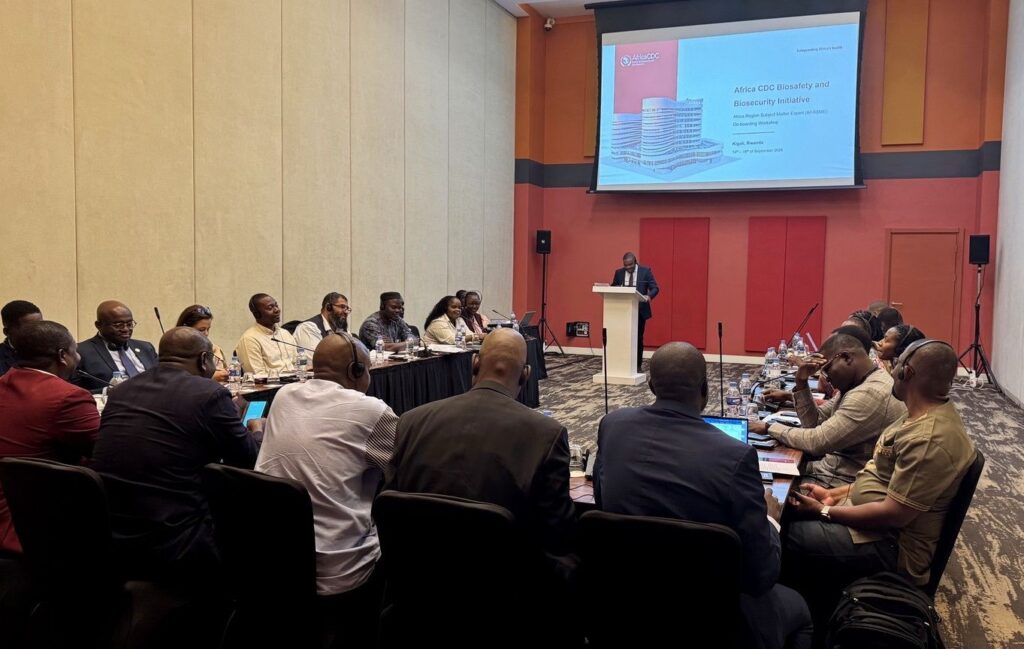
Africa CDC, in collaboration with ASLM, this week convened 23 experts from Gabon, Côte d’Ivoire, Senegal, Tunisia, Mali, Nigeria, Burkina Faso, Guinea, Togo and Benin for the Certification Program for Biosafety and Biosecurity Professionals—Certified Africa Region Subject Matter Expert (Af-RSME) On-Boarding Workshop.
The workshop supports a priority pillar of Africa CDC’s Regional Biosafety and Biosecurity Initiative, which responds to long-standing capacity gaps identified through continental consultations and global health security assessments, including the World Health Organization Joint External Evaluation (JEE) and other international frameworks.
It is part of the Regional Training and Certification Program for Biosafety and Biosecurity Professionals (RTCP-BBP), a continental initiative developed after regional consultations held between 2019 and 2021. The consultations identified significant gaps in standardized, regionally recognized biosafety and biosecurity training across Africa, limiting capacity-building efforts on the continent.
The program will cover the Africa CDC Biosafety and Biosecurity Initiative and RTCP-BBP; Level 1 and Level 2 certification and improvement projects; the roles and responsibilities of Af-RSMEs; adult learning principles and training skills; mentorship techniques; improvement project design and reporting systems; and participant teach-back sessions.
In opening remarks, Mr Henry Byabajungu, a member of the Examination and Certification Committee (ECC), said participants had knowledge and skills that should be shared to strengthen biosafety and biosecurity across Africa. He noted that, after completing the workshop, participants would be able to demonstrate their competencies through evidence of their work over time. He encouraged them to mentor young professionals and others still building expertise in their institutions and countries. “You are now the first responders to biosafety and biosecurity issues and emergencies as Africa’s experts,” he said.
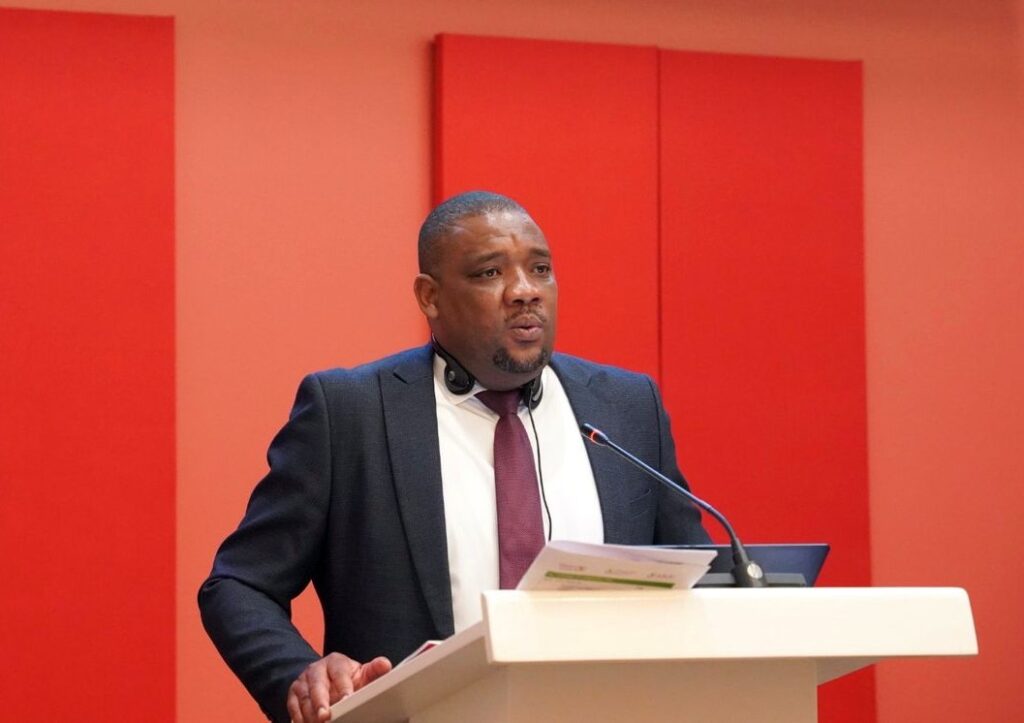
Speaking on behalf of Africa CDC, Zibusiso Masuku, Senior Biosafety & Biosecurity Officer said the training program, launched in 2022 with support from the governments of Canada and the United Kingdom under the Simba Initiative, aims to strengthen country-level capabilities under the Biosafety and Biosecurity Initiative. “In recent years, the world has witnessed escalating threats caused by high-risk biological agents. Africa continues to face such threats, underscoring the need for strong laboratory networks and subject matter experts across the continent,” Masuku said. “This program is essential in strengthening national capacity and expanding its reach.” He added that the program is a key continental force multiplier for strengthening regional capabilities, backed by a competent cadre of biosafety and biosecurity professionals with demonstrable skills.
Masuku reiterated that epidemiology and outbreak response must remain continental priorities to prevent cross-border transmission and protect hard-earned gains in health security across Africa. He emphasized that preparedness requires continuous investment in resilient systems, close partnerships and shared responsibility.
The workshop is expected to strengthen mentorship capacity, improve certification outcomes and accelerate the implementation of biosafety and biosecurity training programs across Africa, while enhancing preparedness and response to biological threats and public health emergencies.