
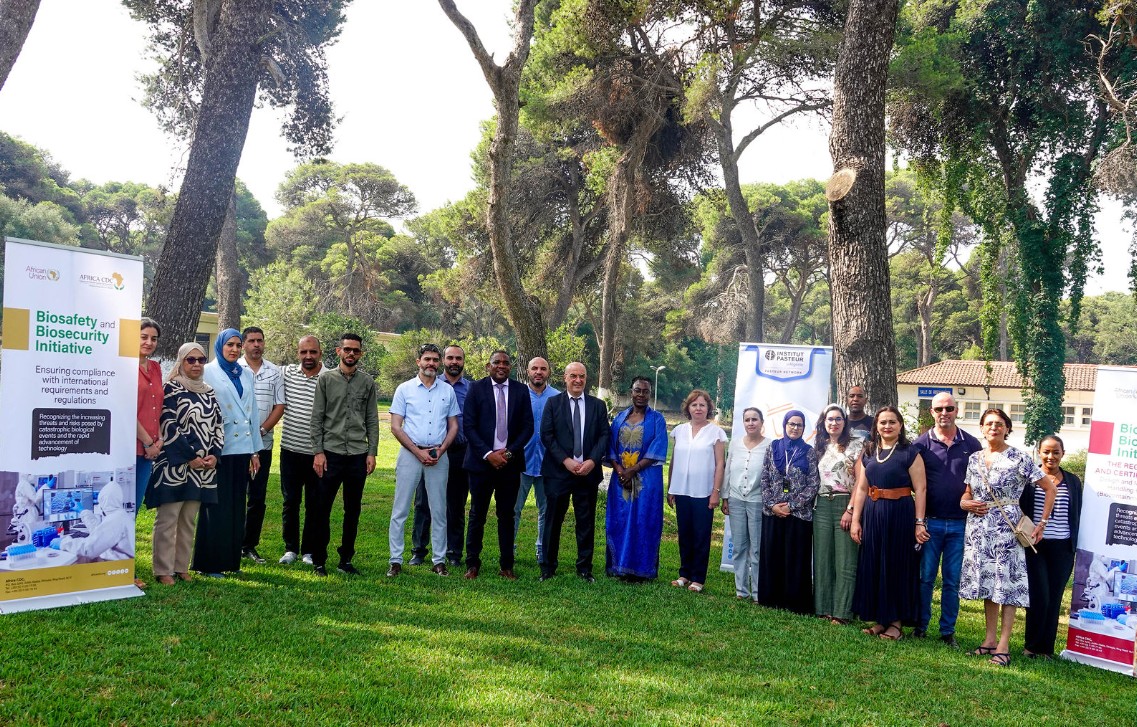
Algiers, Algeria | 29 June 2026 – The Africa Centres for Disease Control and Prevention (Africa CDC), in partnership with the African Society for Laboratory Medicine (ASLM) and in collaboration with the Institute Pasteur of Algeria (IPA), launched the centre’s inaugural training under tthe Regional Training and Certification Program for Biosafety and Biosecurity (RTCP-BBP), by hosting the Biocontainment Engineering (Level One) course, bringing together laboratory professionals, biomedical engineers, and biosafety experts from across North Africa.
The five-day training is designed to strengthen regional capacity in the maintenance and management of high-containment laboratory technologies while promoting collaboration and knowledge exchange among African Union Member States. The program also marks the official designation of the Institute Pasteur of Algeria as the Regional Centre of Excellence for Biosafety and Biosecurity for Northern Africa, recognizing its role in advancing training, research, and technical expertise across the region.
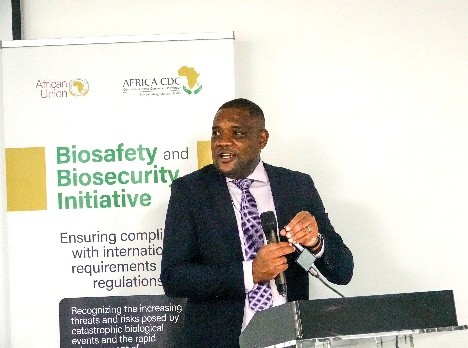
addressing delegates
Speaking during the opening ceremony, Mr. Zibusiso Masuku, Senior Technical Officer for Biosafety and Biosecurity at Africa CDC, emphasized the importance of investing in skilled professionals and strengthening national ownership of biosafety and biosecurity systems.
“Regional Centres of Excellence are more than training institutions – they are knowledge hubs that will drive sustainable implementation of biosafety and biosecurity across the continent. Our vision is to empower every African Union Member State with the capacity, systems, and leadership needed to prevent, detect, and respond to biological threats.”
The program forms part of the African CDC’s Biosafety and Biosecurity Initiative and supports the implementation of the complementary 2026 – 203 Strategy and Beyond, which aims to strengthen national leadership, institutionalize biosafety and biosecurity systems, and build a sustainable network of Regional Centres of Excellence across Africa.
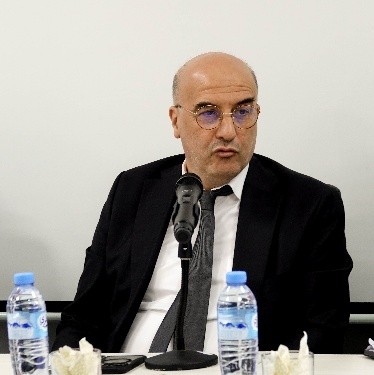
Welcoming participants, Prof. Fawzi Derrar, Director General of the Institute Pasteur of Algeria, reaffirmed the institute’s commitment to supporting countries across North Africa.
“This designation is both an honour and a responsibility. We are committed to providing high-quality training, fostering scientific collaboration, and supporting Member States in building sustainable biosafety and biosecurity capacities that strengthen regional preparedness.”
Implemented through the Signature Initiative to Mitigate Biological Threats in Africa, with support from the G7-led Global Partnership through the Signature Initiative to Mitigate Biological Threats in Africa, the training combines classroom learning, practical exercises, and competency-based assessments to equip participants with the skills needed to strengthen laboratory biocontainment systems and enhance preparedness for biological threats.
For participants, the training provides an opportunity to acquire practical skills that can be applied directly in their institutions.
Hamza Rahab, Senior Researcher at the Biotechnology Research Center in Algiers, said the program is timely as his institution prepares to establish a high-containment laboratory (HCL).
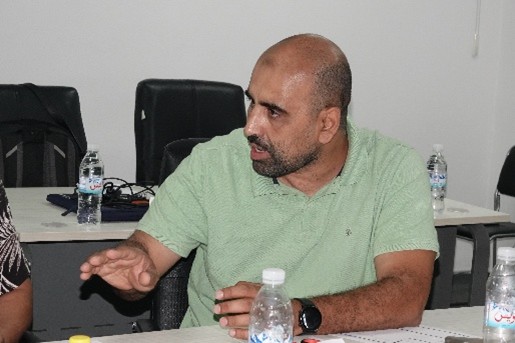
“Our institution is currently planning to establish a high-containment laboratory, and I am coordinating the team responsible for this initiative. My role is to ensure that all the technical and regulatory requirements are met while identifying experts who can provide guidance throughout the process.
This training is an exceptional opportunity to deepen my knowledge and strengthen my skills in high-containment laboratory systems. Learning from highly experienced technical and regulatory experts, as well as visiting a high-containment laboratory and observing its operations firsthand, has been both fascinating and inspiring. The practical insights gained during this program will be instrumental as we move forward with establishing our own facility.
Beyond its direct benefit to me, the increasing emergence and re-emergence of infectious pathogens, coupled with the limited number of high- and maximum-containment facilities in Algeria, makes this training particularly important. We have already gained valuable knowledge and practical skills that we did not have before, and the certification component further enhances the value of this initiative.”
By investing in institutions, partnerships, and a highly skilled workforce, Africa CDC, ASLM, and partners are advancing a resilient biosafety and biosecurity ecosystem that aspires to develop context-relevant, safe and secure laboratory infrastructure that strengthens health security across Africa.