
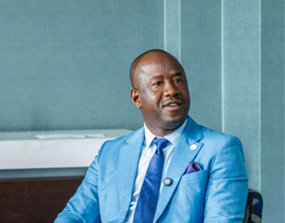
Nqobile Ndlovu
Africa’s public health landscape continues to evolve, bringing with it new challenges that demand stronger collaboration, innovation, and investment in people and systems. Recent Ebola outbreaks in the Democratic Republic of Congo and Uganda have once again demonstrated the importance of collective action, with governments, regional institutions, and development partners coming together to support affected countries and strengthen preparedness efforts across the continent.
At ASLM, we recognize that diagnostics remain the first and most critical line of defence in any outbreak. Without timely and reliable testing, there can be no effective surveillance, case management, or public health response. Equally important, however, is the recognition that no single institution can address these challenges alone. Sustainable progress requires partnerships built on shared goals, mutual trust, and a commitment to strengthening health systems.
Across Africa, collaborative efforts are transforming how laboratory professionals are trained, supported, and connected. From advancing biosafety and biosecurity measures to strengthening surveillance systems, accreditation, and quality standards, these partnerships are helping build a resilient laboratory workforce capable of responding to current and emerging health threats.
In support of the Ebola Continental Preparedness and Response Plan—anchored on the principle of One Plan, One Budget, One Team and led by the Africa Centres for Disease Control and Prevention (Africa CDC)—ASLM has worked closely with partners to strengthen outbreak preparedness and response efforts. We are proud to partner with the European Union, whose support through the European Health Emergency Preparedness and Response Authority (EU-HERA) and the Partnership to Accelerate Mpox and Other Outbreaks Testing and Sequencing in Africa (PAMTA) initiative has enabled the deployment of critical Ebola diagnostic kits to support affected countries.
We also extend our sincere appreciation to the Government of Canada’s Weapons Threat Reduction Program. Through its support to ASLM, Africa CDC will be able to accelerate surveillance activities and implement critical biosecurity measures under the Signature Initiative to Mitigate Biological Threats in Africa (SIMBA). These investments are strengthening Africa’s capacity to detect, prevent, and respond to biological threats before they escalate into larger public health emergencies. This timely support reflects a shared commitment to global health security and underscores the value of trusted partnerships. It is through these collaborations that ASLM can rapidly mobilize technical expertise and operational resources when lives and livelihoods are at stake.
This quarter also marked another important milestone with the launch of the Advancing Regional Integrated Laboratory Capacity for Antimicrobial Resistance (AMR) Control (ARILAC), a four-year initiative implemented by ASLM, Africa CDC, and the European Union. The programme aims to strengthen laboratory systems and AMR surveillance capacity across the continent, reinforcing Africa’s ability to address one of the most pressing public health threats of our time.
As we look ahead, our collective focus must remain on empowering laboratory professionals, strengthening systems, and ensuring that diagnostics remain at the centre of effective disease surveillance, outbreak response, and resilient health systems.
In this regard, the ASLM 2026 Biennial Conference holds particular significance. I invite you to join us in Cape Town, South Africa, from 8–11 December 2026 under the theme “Integrated Diagnostics for Health Security: Investing in Sustainable Impact.” The conference will bring together laboratory professionals, clinicians, researchers, policymakers, public health leaders, development partners, industry stakeholders, and innovators from across Africa and around the world to share knowledge, strengthen partnerships, and shape the future of integrated diagnostics and health security.
Together, we can build a healthier, safer, and more resilient Africa.