
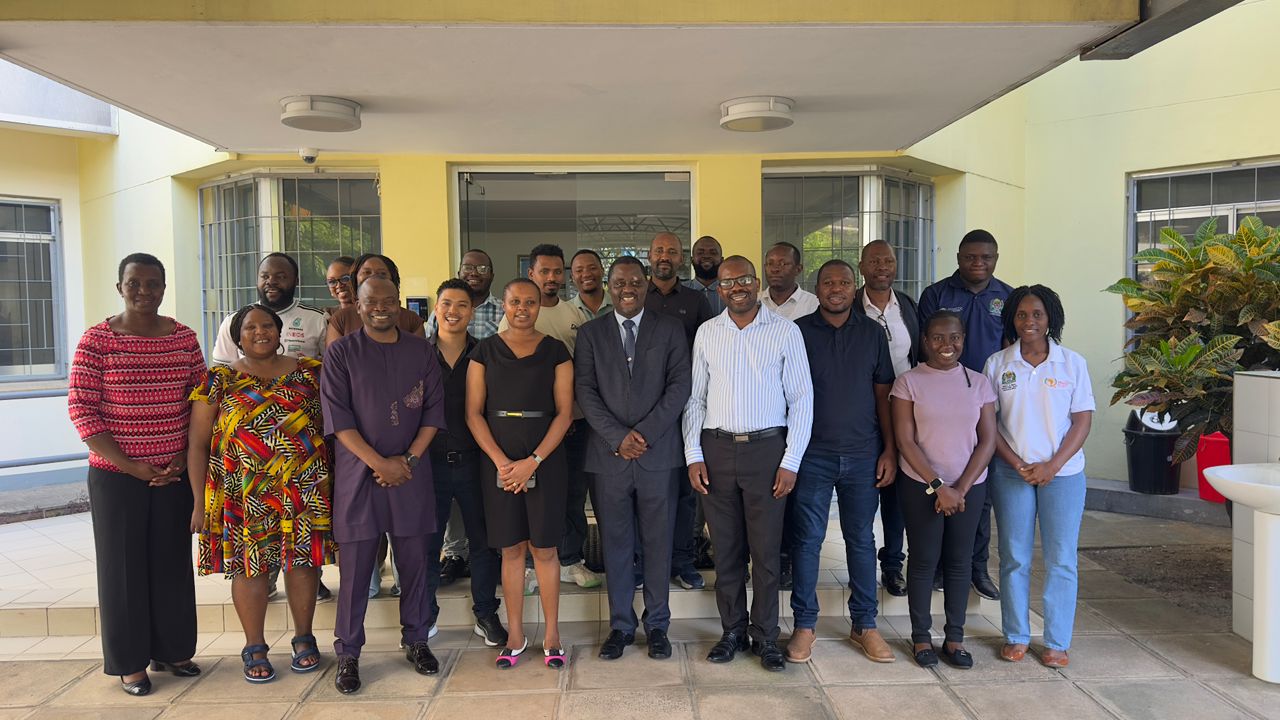
The Africa Centres for Disease Control and Prevention (Africa CDC), in collaboration with the African Society for Laboratory Medicine (ASLM), is convening the Regional Training and Certification Program for Biosafety and Biosecurity Professionals under the newly established specialization area of Laboratory Equipment Maintenance and Calibration from 18–29 May 2026 in Dar es Salaam, Tanzania.
Hosted at the National Public Health Laboratories (NPHL), Regional Centre of Excellence for Biosafety and Biosecurity (RCoEBB) for Eastern Africa, the pilot training brings together 16 biomedical engineers and laboratory scientists from nine African Union Member States including Zambia, South Africa, Namibia, Eswatini, Burundi, Uganda, Kenya, and Ethiopia. The training aims to strengthen regional capacity in laboratory equipment maintenance, calibration, quality management systems, and biosafety and biosecurity practices.
The training forms part of Africa CDC’s Regional Training and Certification Program for Biosafety and Biosecurity Professionals (RTCP-BBP), launched in 2022 to address critical shortages in specialized biosafety and biosecurity expertise across Africa. In 2026, the program expanded to include Laboratory Equipment Maintenance and Calibration, alongside Cyberbiosecurity and Artificial Intelligence, reflecting Africa CDC’s commitment to strengthening technical capacity in response to emerging health security challenges.
Reliable laboratory equipment is essential for accurate diagnostics, disease surveillance, outbreak response, and public health decision-making. However, many laboratories across Africa continue to face challenges related to limited calibration facilities, shortages of skilled biomedical engineers, and dependence on costly external service providers.
Speaking during the official opening ceremony, Dr. Talkmore Maruta, Director of Programs at ASLM, thanked the Government of Tanzania and the Ministry of Health for hosting the Regional Centre of Excellence for Biosafety and Biosecurity for East Africa.
He noted that the Centre has become a critical platform for strengthening Africa’s biosafety and biosecurity workforce, supporting the training of more than 230 professionals from East, Central, and Southern Africa since its establishment.
Dr. Maruta emphasized the strategic importance of the new specialization area.
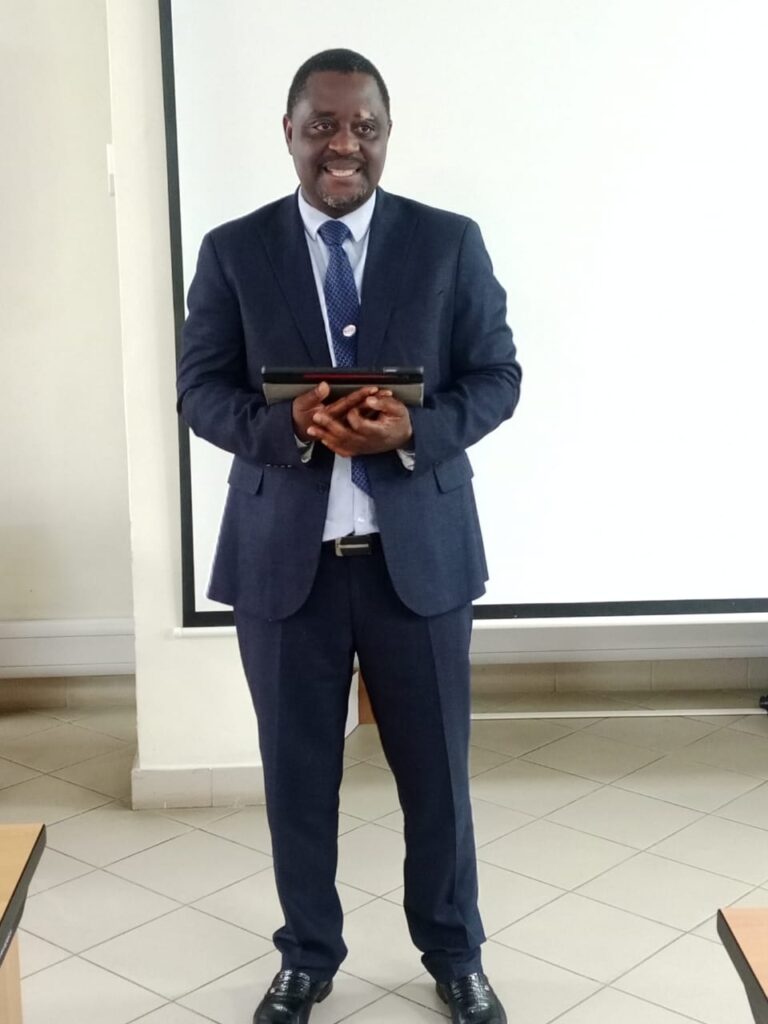
“The specialization area you are undertaking—Equipment Calibration and Maintenance—is particularly strategic and critically important for Africa. Across many of our countries, maintenance, calibration, certification, and repair of biosafety and biosecurity equipment remain extremely expensive and often dependent on external expertise,” he said.
He added that the expertise gained through the training will help countries reduce equipment downtime, improve laboratory safety and efficiency, strengthen quality systems, and enhance preparedness for emerging and re-emerging public health threats.
The two-week training combines interactive lectures, practical demonstrations, and hands-on exercises focused on equipment calibration, preventive maintenance, troubleshooting, metrology principles, ISO/IEC 17025 standards, and biosafety and biosecurity risk management.
Participants are expected to develop competencies in maintaining and calibrating laboratory equipment, establishing quality-compliant maintenance systems, and supporting sustainable laboratory operations within their respective countries.
Dr. Maruta highlighted that despite significant progress under Africa CDC’s Biosafety and Biosecurity Initiative, demand for qualified professionals continues to outpace current capacity.
“To date, only around 500 professionals have been trained across the continent. These findings clearly demonstrate the urgent need to expand access to training, strengthen mentorship systems, and improve competency development mechanisms,” he noted.
He further highlighted ASLM and Africa CDC’s efforts to expand regional training opportunities through additional Regional Centres of Excellence, including a North Africa Centre of Excellence expected to commence operations in June 2026.
The training is expected to strengthen laboratory systems across Africa by increasing the availability of skilled biomedical engineers and laboratory scientists capable of supporting equipment maintenance, calibration, quality assurance, and biosafety and biosecurity requirements, ultimately contributing to stronger health security, disease surveillance, and public health preparedness across the continent.