
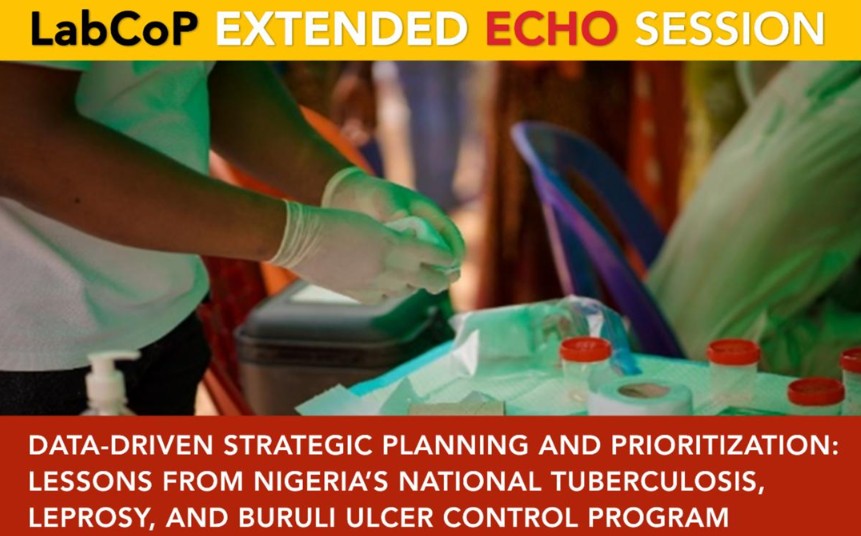
Programmatic planning and prioritization should be data-driven, inclusive, and aligned with broader health system goals. However, weaknesses in routine data systems, including limited coverage, poor data quality, incomplete reporting, fragmented data sources, and continued reliance on paper-based systems, often prevent routine TB programme and surveillance data from adequately informing planning and decision-making.
To support the implementation of TB data tools, WHO published the Compendium of data and evidence-related tools for use in TB planning and programming in 2021.
The compendium helps TB programmes identify tools that can fill critical data gaps, prioritize which tools to implement, and determine the best timing and sequence for their use during the NSP or funding cycle.
In this session, Dr. Obioma Chijioke-Akaniro (Deputy Director M&E) and Dr. Tolulope Adaran (Laboratory Specialist, NTP) shared insights into how Nigeria applied the WHO framework in developing its 2027–2031 NSP, including prioritization, scenario planning, and budgeting, and how this comprehensive, data-driven approach supported the integration of laboratory systems strengthening objectives. See the links below for the recording, presentations, resources, and related publications.