
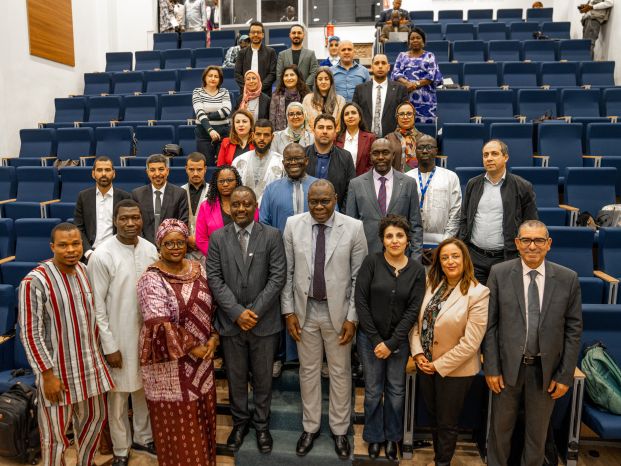
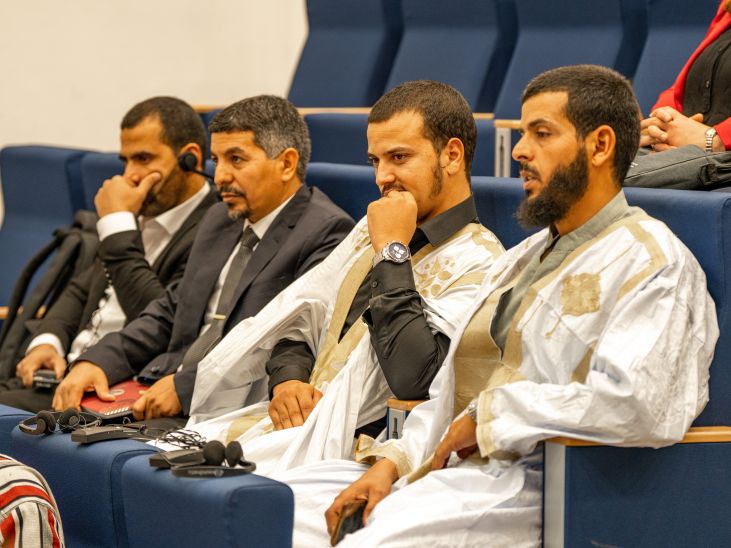
From 23–27 March 2026, biosafety and biosecurity professionals from across Northern Africa gathered in Dakar, Senegal, for a regional training and certification program aimed at strengthening biological safety and risk management across the continent. The five-day training brought together 28 participants from Morocco, Tunisia, Algeria, Egypt, Libya, Mauritania, and the Sahrawi Arab Democratic Republic, representing the Northern Africa region.
Participants are undergoing Biological Waste Management Level 1 and Biorisk Management Level 1 training as part of the Regional Training and Certification Program for Biosafety and Biosecurity Professionals. The initiative aims to strengthen technical capacity and ensure compliance with national, regional, and international biosafety and biosecurity requirements.
The training forms part of the Biosafety and Biosecurity Initiative launched in 2019 by Africa Centres for Disease Control and Prevention in collaboration with African Society for Laboratory Medicine, with support from the United Kingdom and Canada governments under the SIMBA Initiative. One of the initiative’s priority areas is the development and implementation of a Regional Training and Certification Program covering four key domains:
- Biorisk Management
- Biological Waste Management
- Biological Safety Cabinets Installation, Utilization and Maintenance
- Bioengineering
Recognizing the need to strengthen capacity among professionals across member states, Africa CDC, in collaboration with ASLM and the Institut Pasteur de Dakar, organized the comprehensive training program. The training is being hosted at the Regional Centre of Excellence for Biosafety and Biosecurity at Institut Pasteur de Dakar, given that a designated Northern Africa RCoEBB has not yet been established.
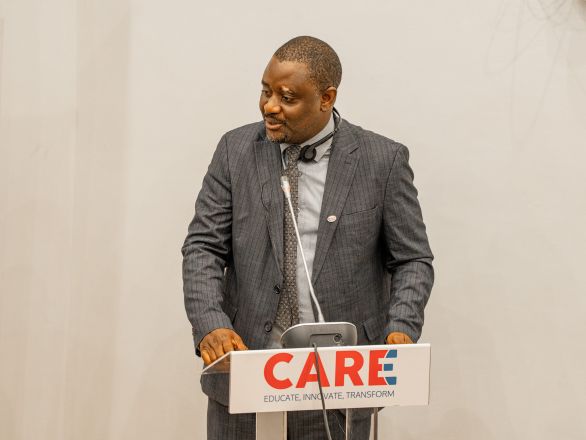
During the opening ceremony, Dr. Talkmore Maruta, Director of Programs at ASLM, reiterated the importance of the two training programs, noting that the capacity built will be a game changer in supporting the Northern region to join the three operational Regional Centres of Excellence already established in Eastern, Southern, and Western Africa. He also highlighted that while Phase One of the BBI intitiative focused on outcomes, Phase Two will emphasize demonstrating impact from the trainings.
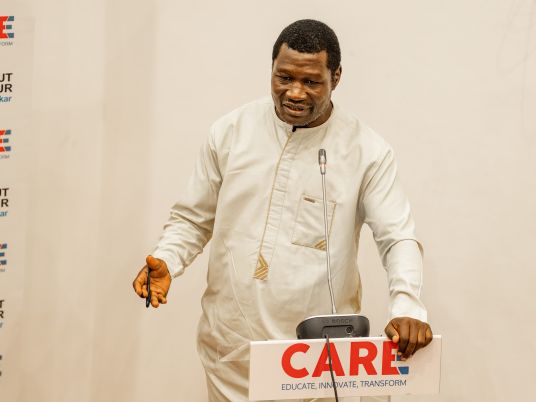
Mr. Eric Nzeko, representing the Examination and Certification Committee (ECC), presented the key priorities of the Regional Training and Certification Program. He emphasized strengthening competencies in biological risk analysis and management and biological waste management, while encouraging participants to become ambassadors of biosafety and biosecurity within their institutions and countries.
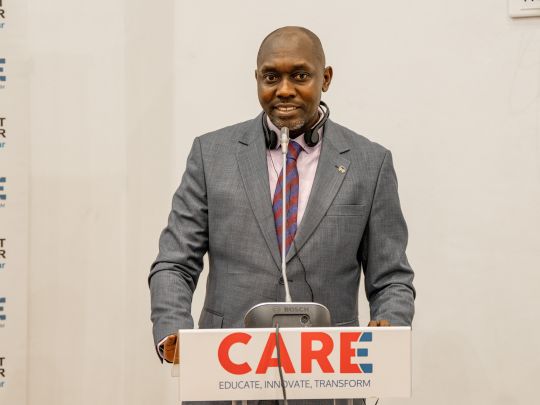
Mr. Paul Okwallinga, Biosafety and Biosecurity Technical Officer at Africa CDC, underscored the importance of the first Northern Africa training, noting that it contributes significantly to the implementation of the Africa CDC continental strategy and the recognition of experts across the region.
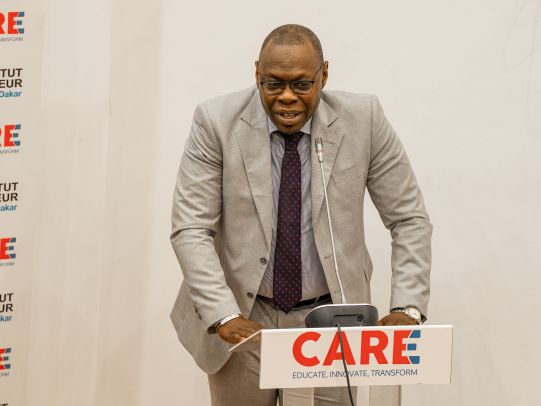
In his remarks, Dr. Ibrahima Socé Fall, General Administrator of Institut Pasteur de Dakar, expressed honor in partnering with Africa CDC and ASLM to host the first Northern Africa regional training. He emphasized the importance of building local capacity and developing experts who can be rapidly deployed during epidemics and public health emergencies.
The training marks an important milestone in strengthening Africa’s biosafety and biosecurity workforce, enhancing preparedness, and promoting regional collaboration to address emerging health threats across the continent.