
Countries across Africa continue to advance laboratory system strengthening through evidence driven approaches, with recent achievements in Mozambique, Cameroon, and Zambia highlighting the transformative role of GIS based laboratory capacity mapping.
In Mozambique, a comprehensive capacity mapping of 511 laboratories enabled the Ministry of Health to identify critical gaps and incorporate these insights into the new National Laboratory Strategic Plan (2026–2035). This ensures that diagnostic investments are targeted, efficient, and aligned with long term public health priorities.
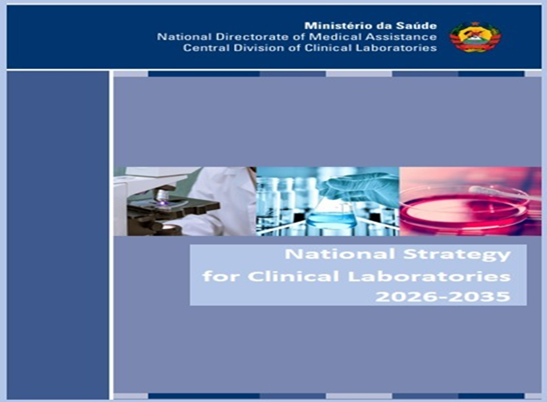
with National Clinical Laboratory Strategy (2026–2035)
In Cameroon, 548 laboratories were mapped in 2025 using sustainable data collection approaches, including remote trainings, which reduced implementation costs and strengthened national ownership. Remote training involves 3-4 weeks training period with the course modules hosted in ASLM Academy. Once participants complete the course and deemed competent they map capacity within the laboratory where they are based and any nearby laboratory thus reducing the cost if a team from central level was to travel across the country to conduct the mapping. These insights directly informed the development of Cameroon’s National Laboratory Strategic Plan (2026–2030), improving multisectoral coordination and diagnostic coverage across the country.
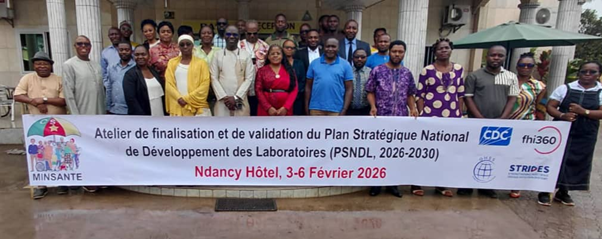
validating Cameroon’s National Laboratory Strategic Plan (2026–2030)
Meanwhile, Zambia has demonstrated strong leadership by mapping over 678 laboratories in 2024, significantly expanding visibility into the country’s diagnostic landscape. Zambia implemented a completely multisectoral mapping exercise covering public health, clinical, veterinary, environmental, and private-sector laboratories coordinated under the One Health Technical Working Group (OHTWG). This coordination approach allowed Zambia to harmonize data from diverse sectors and avoid duplication. The OHTWG has since reviewed the data and adopted the report, ensuring that the findings are validated, widely understood, and ready to inform the revisions of the National One Health Strategic Plan 2022-2026 and MOH laboratory strategic plan 2022-2026. In addition, the findings have already informed decision making with outputs from the mapping exercise used to re-align activities under Pandemic Fund to ensure investments are targeted toward the most critical laboratory system gaps.
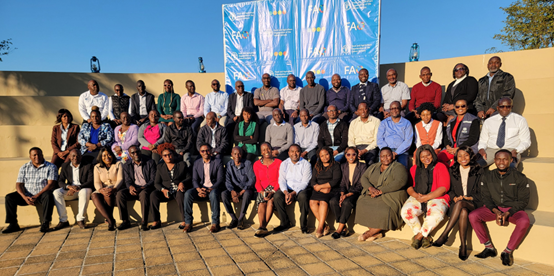
Together, these milestones reflect a continentwide shift toward data driven laboratory system strengthening, with GIS mapping emerging as a foundation for closing diagnostic gaps, optimizing networks, guiding resource allocation, and enhancing preparedness for public health threats. Launched on 5th November 2025, the framework for GIS mapping of laboratories systems and network capacities in Africahttps://africacdc.org/download/laboratory-systems-and-network-capacities-in-africa-framework-for-gis-mapping/ aims to sustain and optimize laboratory and information‑sharing systems using GIS‑Laboratory mapping for effective and efficient clinical and public health laboratory services for early disease detection and surveillance of public health threats in Africa. Read more here.
Next Steps: ASLM’s Continuing Role
ASLM and Africa CDC will continue to play a central role in advancing GIS‑based laboratory mapping across the continent by:
- Advocating for the inclusion of GIS mapping in national laboratory policies and strategic plans to support evidence‑based resource mobilization.
- Supporting countries to institutionalize self‑assessment and remote training models, leveraging ASLM Academy and the ECHO platform.
- Providing technical assistance for integrating GIS mapping outputs into national diagnostic network optimization and laboratory based surveillance.
- Championing multisectoral collaboration, especially in the context of One Health.
ASLM in collaboration with Africa CDC remains committed to expanding GIS‑driven approaches that strengthen national laboratory networks and improve health security across Africa.