
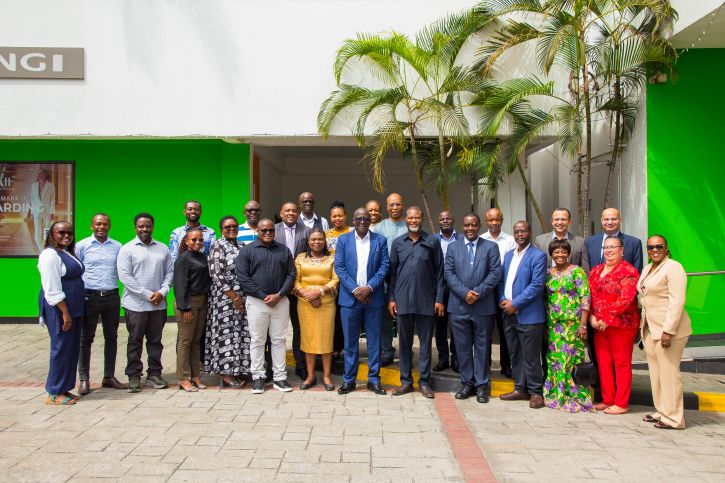
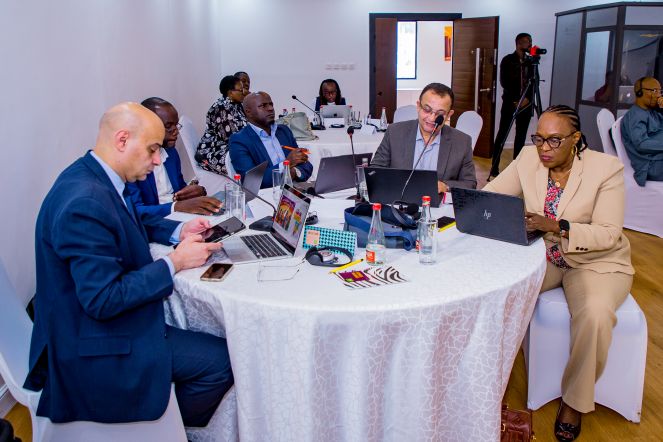
The Africa Centres for Disease Control and Prevention (Africa CDC), in collaboration with the African Society for Laboratory Medicine (ASLM) and the Ministry of Health Ghana, is convening a Regional Training and Certification Program for Biosafety and Biosecurity Professionals—Certified Africa Region Subject Matter Expert (Af-RSME) On-Boarding Workshop—from 30 March to 3 April 2026 in Accra, Ghana.
The workshop brings together 16 biosafety and biosecurity experts from 10 African Union Member States. The meeting forms part of the Regional Training and Certification Program for Biosafety and Biosecurity Professionals (RTCP-BBP), a continental initiative developed following regional consultations conducted between 2019 and 2021. These consultations highlighted significant gaps in standardized, regionally recognized biosafety and biosecurity training programs across Africa, limiting capacity-building efforts on the continent.
The RTCP-BBP program focuses on four key areas of specialization:
- Biorisk Management (BRM)
- Biological Waste Management (BWM)
- Management and Maintenance of Facilities Handling High-Risk Pathogens (Biocontainment Engineering)
- Selection, Installation, Maintenance and Certification of Biological Safety Cabinets (BSC Certification)
To progress from Level 1 to Level 2 certification, candidates must complete in-country improvement projects, conduct practical assignments, and undergo competency assessments under the guidance of Africa Region Subject Matter Experts (Af-RSMEs). These activities culminate in the submission of a portfolio reviewed by the Examination and Certification Committee for Level 2 certification.
The onboarding workshop aligns with a priority pillar of Africa CDC’s Regional Biosafety and Biosecurity Initiative, a strategic response to long-standing capacity gaps identified through continental consultations and global health security assessments, including the World Health Organization Joint External Evaluation (JEE) and other international frameworks.
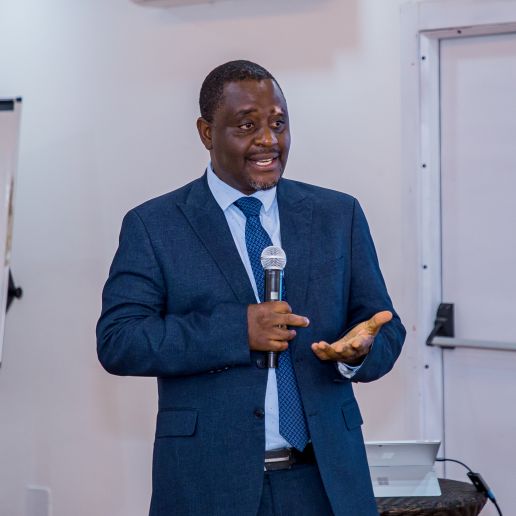
Speaking during the opening session, Dr Talkmore Maruta, Director of Programs at ASLM, thanked the Ministry of Health Ghana for hosting the workshop and Africa CDC for its leadership in bringing together subject matter experts across the continent.
He emphasized the critical role of experts in ensuring the success of the program.“You are at the center of this initiative. The success of this program depends on your ability to train, mentor, develop curricula, and support candidates. The quality of service delivered will determine the quality of this program,” Dr. Maruta noted.
He further highlighted the need to expand the pool of Af-RSMEs to ensure coverage across all African Union working languages, noting that linguistic inclusion is critical to equitable access to certification opportunities across Member States.
Dr. Maruta also raised concerns regarding the program’s current challenges, including a low pass rate for Level 1 trainees, and low conversion into Level 2 certification. He encouraged participants to propose solutions to improve outcomes, strengthen mentorship, and demonstrate measurable impact beyond the number of individuals trained. “We must move beyond numbers and demonstrate real impact. We must evaluate how this training strengthens biosafety and biosecurity systems and adds value to countries,” he said.
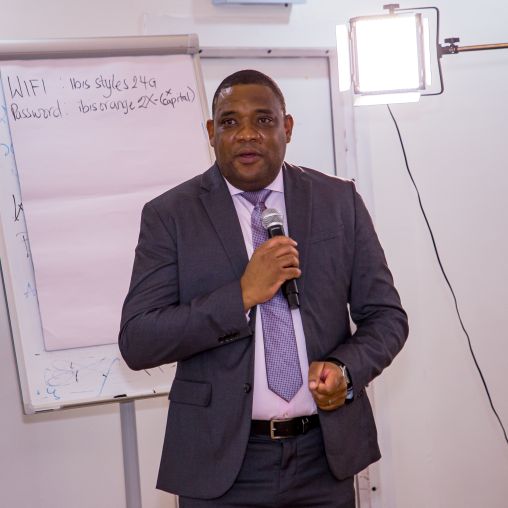
Speaking on behalf of Africa CDC, Zibusiso Masuku highlighted that the training program, launched in 2022 supported by Canada and UK Governements under the Simba Initiative, aims to strengthen country-level capabilities under the Biosafety and Biosecurity Initiative.“With 55 African Union Member States and approximately 550 trained professionals, we average about 10 individuals per country. Subject matter experts are essential in strengthening national capacity and expanding the reach of this program,” Masuku stated. He noted that, the program is a key continental force multiplier to strengthen regional capabilities backed by a competent cadre of biosafety and biosecurity professionals with demonstrable skills.
In his keynote address, Dr. Ignatius A.N Awinibuno, Chief Programme Officer (Director) Allied Health-TCD, Ministry of Health Ghana welcomed participants and emphasized the importance of the initiative in addressing Africa’s evolving public health challenges.
“We are meeting at a time when the continent faces numerous public health threats. Biosafety and biosecurity are no longer optional—they are imperative. The gaps we face reflect deeper collective weaknesses in detecting, preventing and responding to biological threats,” he noted.
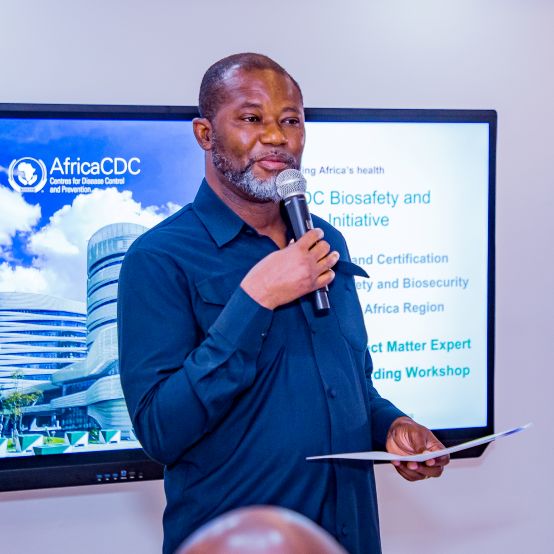
Dr. Awinibuno highlighted that Africa’s Biosafety and Biosecurity Initiative, launched in 2019, represents an Africa-owned and Africa-led response to strengthening health security systems across the continent. “You are here as catalysts for change. You are expected to guide and mentor candidates, uphold standards, and bridge the gap between policy and practice. It is always better to prepare than to repair,” he added.
The workshop is expected to strengthen mentorship capacity, improve certification outcomes, and accelerate implementation of biosafety and biosecurity training programs across Africa, ultimately enhancing preparedness and response to biological threats and public health emergencies.